Is your “100% agave” tequila really 100% agave?
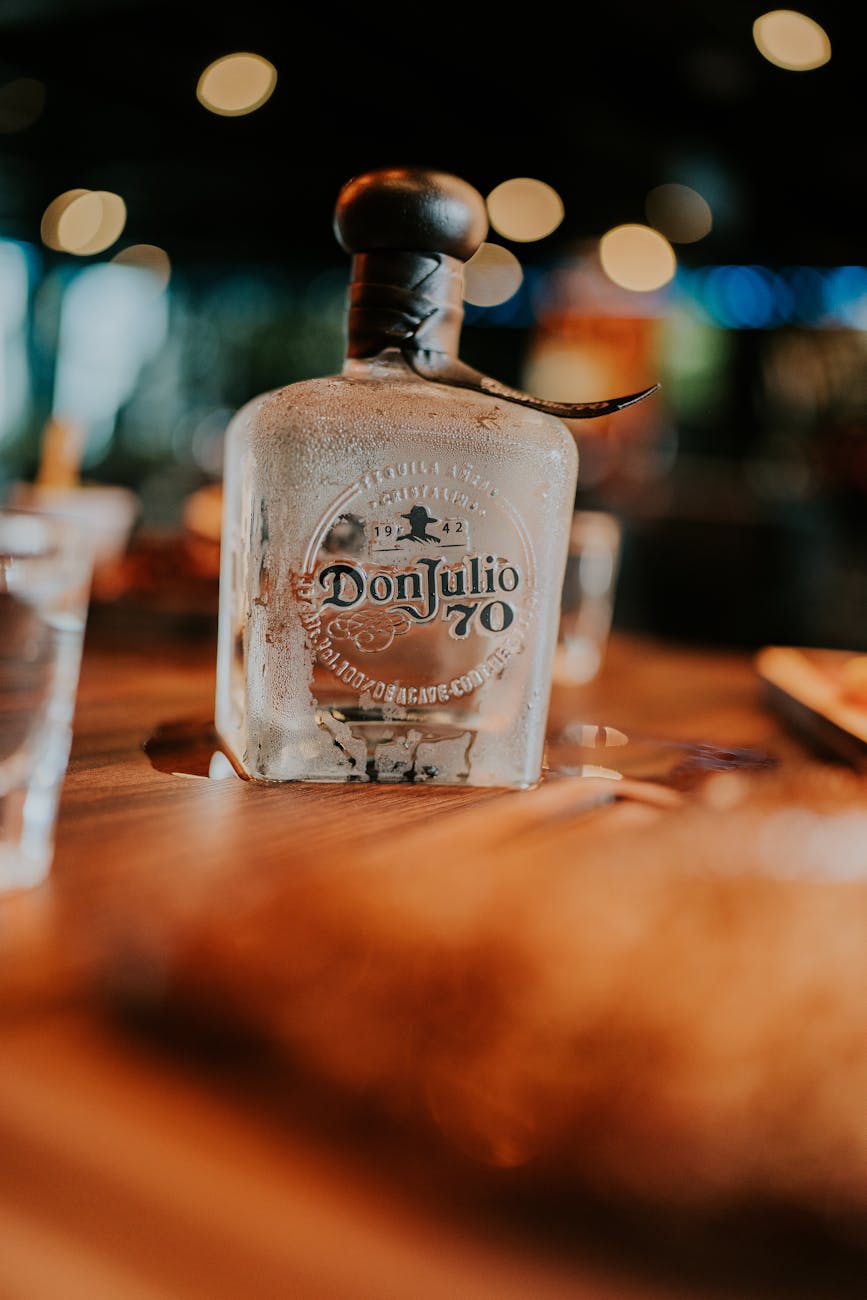
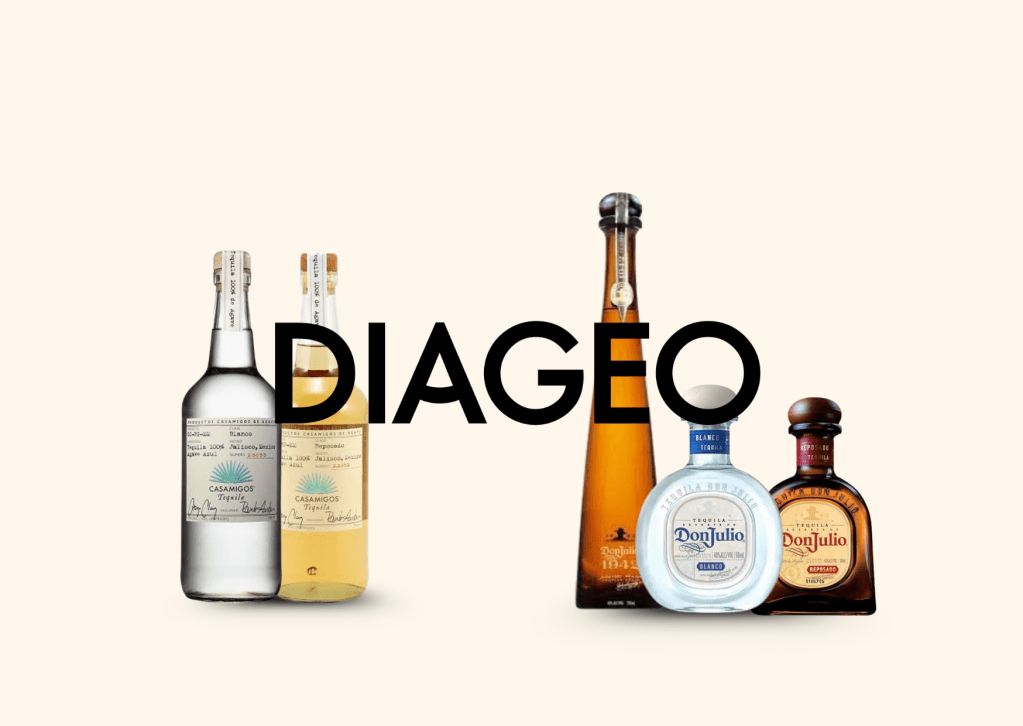
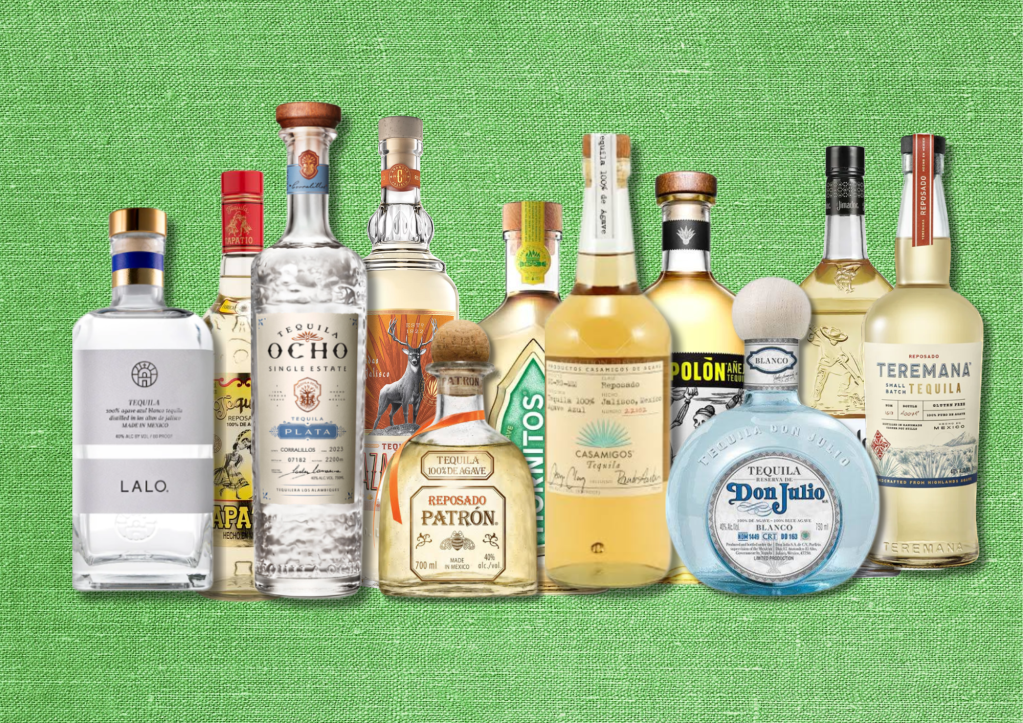
In early May 2025, a class-action lawsuit was filed against the industry giant, Diageo North America, the parent company of major tequila brands like Don Julio, and Casamigos. The claim? That these popular and beloved brands may not be as “100% agave” as they claim to be.
This lawsuit comes at a time when trust in the industry is low, the tequila boom is regressing and there is increasing interest in transparency from consumers.
Here’s everything you need to know about the lawsuit, Diageo’s response and what it could mean for the tequila industry as a whole.
What the Lawsuit Claims
In early May 2025, a class-action lawsuit was filed in the U.S. District Court for the Eastern District of New York against Diageo North America, the parent company for the brands Don Julio and Casamigos. The claim? False advertisement. The plaintiffs, a Brooklyn sushi restaurant and a New Jersey-based bartender, allege that these best-selling brands falsely advertised their products as “100% agave” while allegedly incorporating significant amounts of non-agave alcohols, such as cane spirit, into their tequila. If true, this would violate both U.S. consumer protection laws and Mexican tequila regulations.
The plaintiffs are seeking over $5 million in damages and an injunction to halt deceptive marketing practices. They argue that they paid premium prices for what they believed were pure agave spirits, but the products did not meet the advertised standards.
Allegation of Adulteration – What Does “100% Agave” Mean?
The core of the allegation is that Don Julio and Casamigos tequilas contain significant concentrations of cane or other non-agave alcohols, despite being labelled as “100% agave”. According to Mexican regulations, in order for tequilas to be labelled “100% agave”, they must be produced exclusively from Blue Weber agave. The inclusion of any other alcohol sources would classify the product as a “mixto”, a lower-tier product labelled differently and sold at a much lower price point. According to the Consejo Regulador del Tequila (CRT), the Mexican authority regulating tequila production, to qualify as “100% agave”, a product must:
- Be made exclusively from Blue Weber agave.
- Contain no other sugars or spirits
- Be certified by the CRT
In a nutshell, the allegation claims that Don Julio and Casamigos are effectively mixtos in disguise—yet still sold at ultra-premium prices.
Diageo’s Response
Diageo has categorically denied the allegations, stating that both Don Julio and Casamigos tequilas are crafted from 100% Blue Weber agave and comply with all the regulatory standards set by the CRT as well as the U.S. alcohol regulations. The company has stated that their tequilas undergo rigorous testing and certification processes to ensure quality and authenticity.
At this point, since no court has ruled on the case and the truth behind these allegations has not been determined, the brands remain on shelves.
But beyond this, the lawsuit has re-ignited an ongoing deeper conversation about trust and transparency in the tequila industry.
Industry Implications
Conversations around transparency in the industry are not new. The increase in tequila consumption of these past few years has also meant an increase in customer awareness. Just take Tequila Matchmaker as an example.
This lawsuit is more than about one brand’s alleged illegal or immoral practices. It has broader implications regarding ongoing concerns about transparency, regulatory oversight and the overall credibility of the industry.
- Consumer Trust: People are willing to pay more for additive-free, high-quality tequila. But if the “100% agave” claims aren’t trustworthy, customer trust will crumble.
- Regulatory scrutiny: The case also brings attention to the role of the CRT and its practices, the lawsuit referencing reports of alleged corruption and inconsistent enforcement within the organisation.
- Market Implications: If the lawsuit succeeds, other brands will face the same level of scrutiny. This will probably result in tighter regulations, mandatory disclosures and more third-party certifications in the future.
Overall, the outcome of this case could influence labelling practices and consumer trust in premium tequila brands. And many tequila consumers would probably welcome such changes.
What Should Tequila Drinkers Do?
Until there’s a ruling, here are a few things you can do:
- Check the NOM number on your bottle.
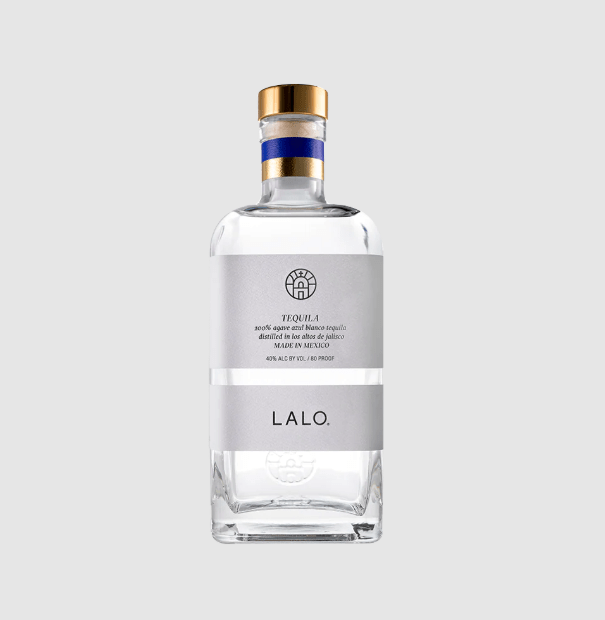
- Buy from trusted, transparent brands (Personally, I would advise LALO, Fortaleza, and El Tesoro, among others).
- Look for additive-free certification and traditional production methods.
The Don Julio and Casamigos lawsuit is still unfolding, but as the past few weeks have proven, it served as a wake-up call. As consumers grow more educated, the tequila industry must evolve with honesty, transparency and a renewed respect for its craft.
 Agave Passion
Leave a comment