
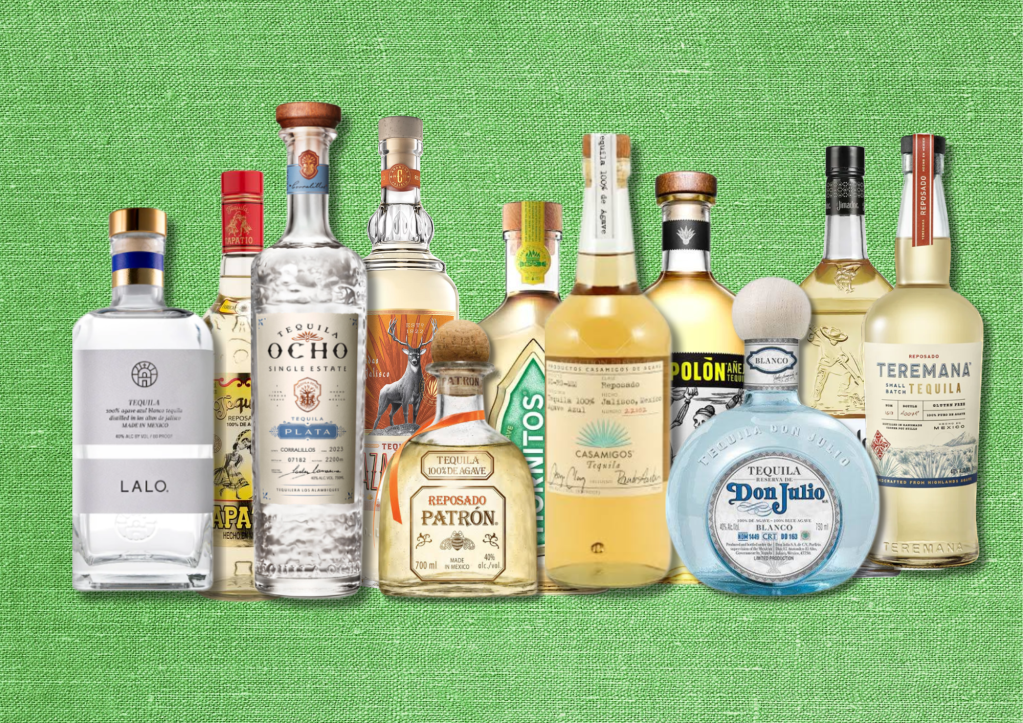
If you follow the world of tequila, there’s a simmering debate in the tequila world, and it’s all about what’s actually in the bottle: additives. Additives in tequila have become a topic of much discussion among enthusiasts and casual drinkers alike. So, what exactly are these additives, and why are they used?
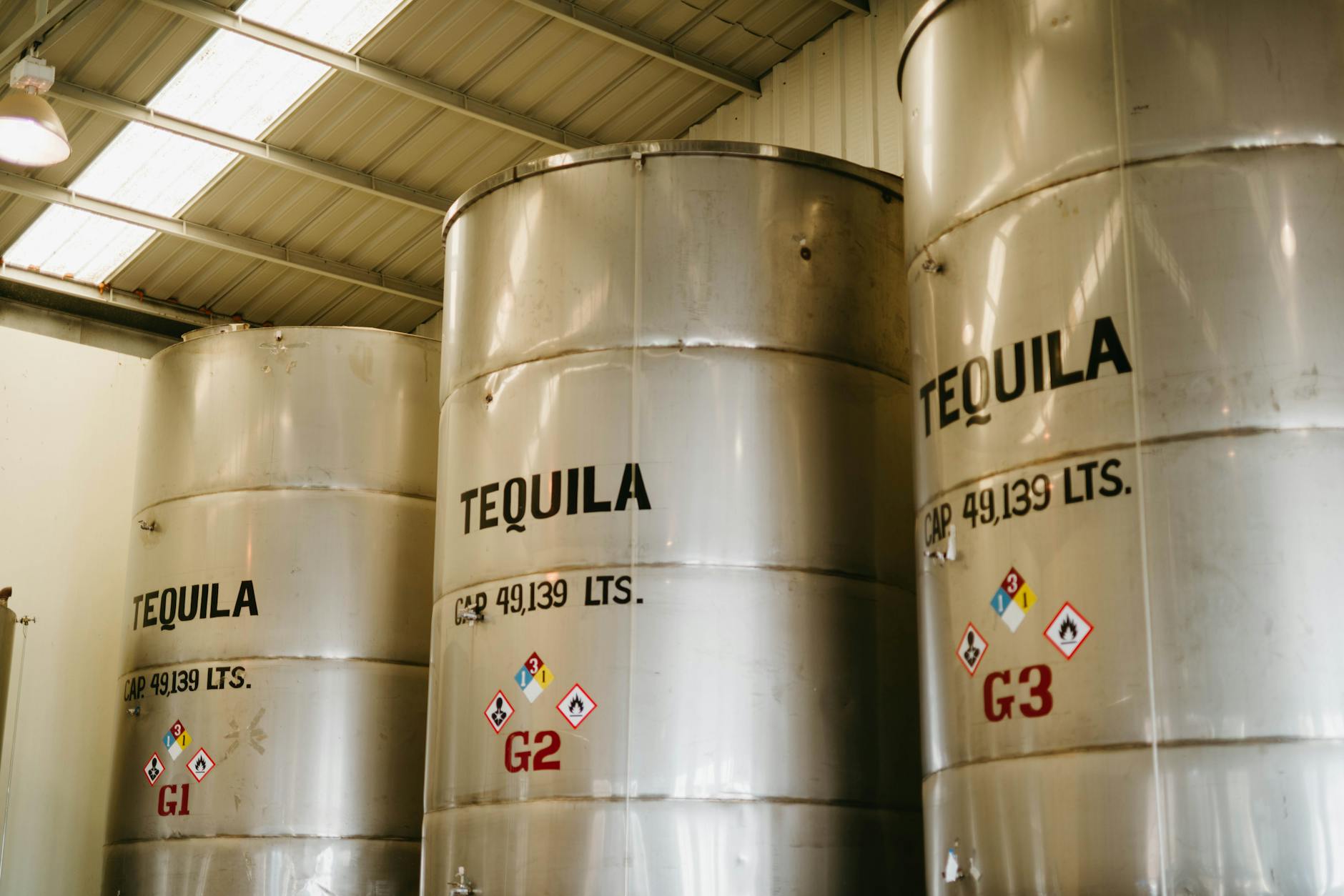
The (Not So) Secret Ingredients: Additives in Tequila
We all know that good tequila comes from the blue agave plant. But some tequilas might be hiding a little extra something: additives.
Additives are substances added to tequila to alter its flavor, color, aroma, and texture. More specifically:
- Flavor enhancer: Either natural or artificial flavors to enhance the taste or introduce new notes such as vanilla, caramel or fruits.
- Coloring agents: Often used to give a more “aged” appearance (caramel hues)
- Oak Extracts: Imparts impart woody, spicy notes similar to those developed in barrels, thus replicating the aging process.
- Sweeteners: Syrup or other to make the tequila smoother and more palatable
- Glycerin: Creates a smoother mouthfeel and thicker texture.
Additives in tequila were initially used to rectify a tequila. However, over the years, they simply become ingredients commonly used to produce tequila.
Considering it takes between five to eight years for agave to reach maturity and be ready for harvest, producing tequila is a time-consuming and expensive process. In particular when aging the tequila to impart more complex flavors. It’s a long, difficult process which is even more difficult when distilleries opt for artisanal, traditional techniques of production. The use of additives allows to create a similar taste while cutting on cost, and time. That’s the reason why they are so commonly used in mass produced tequila. Additives in tequila also help maintain consistency in taste across different batches, and achieving a flavor profile more in line with market preferences (i.e. sweeter tequila with caramel and vanilla notes).
The kicker?
Mexico’s Tequila Regulatory Council (CRT) allows up to 1% of these additives without requiring them to be listed on the label.
Many tequila enthusiasts (and not only) are raising their eyebrows at this lack of transparency for multiple reasons. It’s not just a “purist” complaint that the “true” agave taste will be altered. Rather, it’s a much deeper question of industry transparency and consumer rights.
Transparency and Consumer Rights: What Am I Drinking?
Here’s the thing: some folks just want to know what they’re drinking. Maybe they have allergies, or maybe they just prefer a more natural agave experience. Without clear labeling, it’s like playing tequila roulette – you spin the bottle and hope for the best (or at least, no surprise additives).
That is particularly true if you have allergies and intolerances. I have noticed since I’ve started drinking tequila and tasting a variety of them, that certain tequilas and not other would trigger migraines and a number of other symptoms (I’ll spare you the litany). I now almost exclusively drink additive-free tequila (with the exception of when I’m tasting new bottles). Some “commercial” tequilas would cause more severe reactions then others. But because the full list of ingredients is not disclosed, I still have no clear answer on what is causing this.
Quality vs Convenience?
Beyond the “right to know” argument, there’s a debate about quality. Purists argue that additives are a shortcut, a way to mask imperfections or create a specific taste cheaply. They believe that 100% agave tequilas, where the agave shines and the distiller’s skill is on display, are the true rockstars of the tequila world.
And on that, they are not wrong. Think about wine. Each vintage will have a slightly different taste from year to year. Factors like the amount of rain, length of winter, heat during summer, wind…all these will cause slight variations in taste. Each vintage encapsulates the specificities of the grape, the preferences of the winemaker, the geography where it’s grown (terroir) and the weather the vine faced.
But if the winemaker starts rectifying the wine each year to preserve and maintain the taste of the wine, what’s in there? Am I experiencing the real taste of the grapes or what the winemaker thinks the grape should taste like? Would the quality be the same? No.
That’s why some bottles of wine retail for way more than others: it’s about quality. But in the world of tequila, the lack of transparency, allows to some more commercial bottles to retail themselves as exceptional wines would.
Again, there’s nothing wrong with liking a commercial tequila with additives: we all have differences in taste. It’s a question of being transparent enough for the consumer to make informed choices.
The Rise of Additive Free Tequila
Thankfully, there’s a growing movement for transparency and quality. As the world of tequila is booming, and a new generation of drinkers is entering the scene. These folks are interested in quality over quantity, authenticity over artificiality. They’re looking for a true agave experience, and they’re willing to pay a premium for it. This shift in consumer preferences is fueling the demand for additive-free tequilas.
More and more brands are proudly highlighting “additive-free” on their labels, catering to a thirsty audience who values authenticity in their tequila journey.
Apps and online resources like Tequila Matchmaker have played a significant role in this movement. The app allows users to see if a tequila contains additives, empowering you to make informed choices based on your preferences. And it goes beyond that. It uses a unique system that analyzes the “flavor fingerprint” of different tequilas, considering factors like agave source, cooking methods, and distillation techniques.
So, what’s next for tequila transparency?
Whether Mexican regulations will change to require full disclosure of additives remains to be seen. But one thing is certain: the tequila landscape is evolving. Consumers are calling for a more transparent and authentic experience, and the industry is starting to listen. So, next time you reach for that tequila, take a moment to appreciate the agave – you might be surprised by the difference a little less “extra” can make! Consider using Tequila Matchmaker or similar resources to navigate the world of tequila with confidence and discover the true agave agave experience.

 Agave Passion
Leave a comment