Blanco, Reposado, Joven…You’ve probably come across these different labels when looking for at tequila. But what does it really mean? Is it just a difference of taste? And how to pick the right one for you?
In this post, we’ll take you through the the different types of tequila, from the vibrant Blanco to the aged Añejo, and everything in between as well as the newly added types.
There are officially 5 types of tequila. The difference between them is to be found in the length of the aging process that imparts not only a different color but also a different flavor profile to the tequila
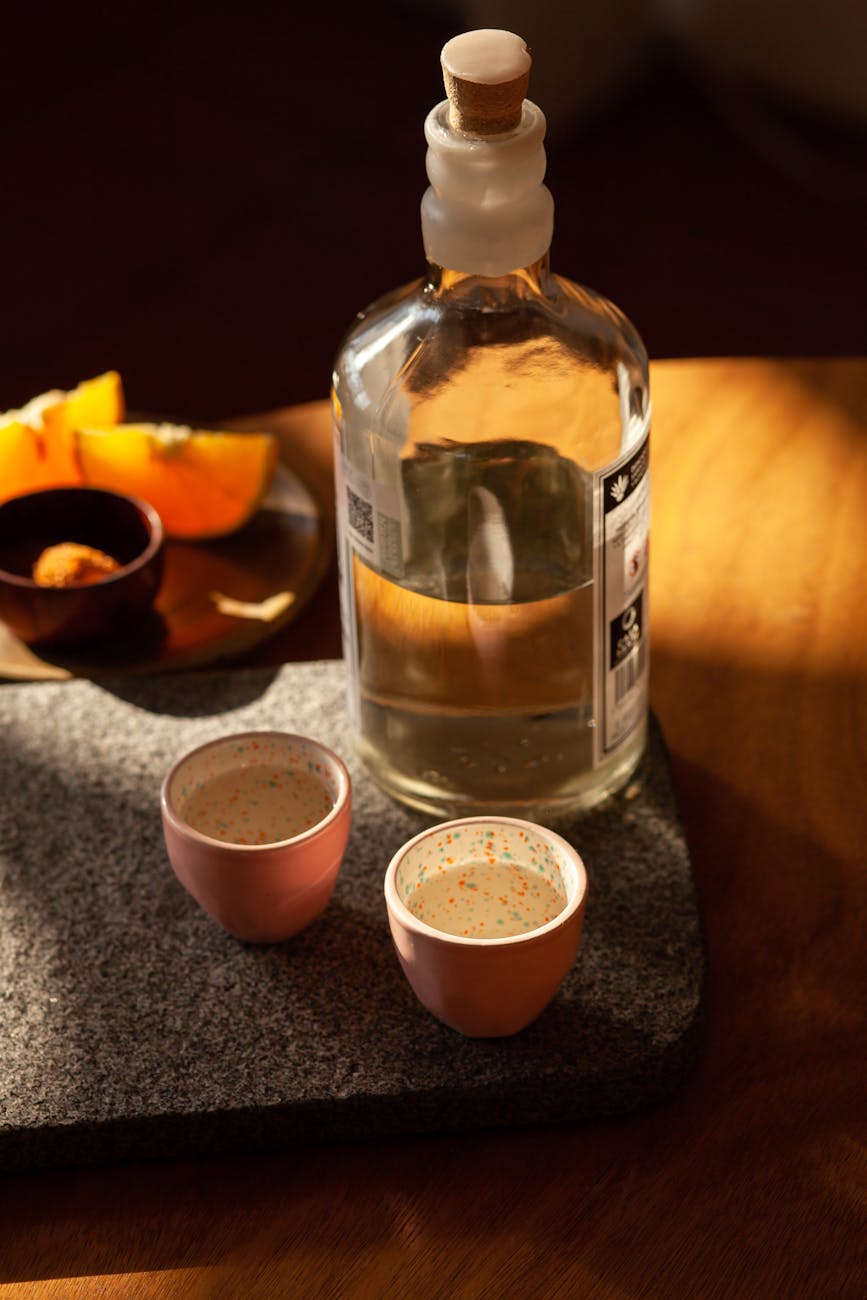
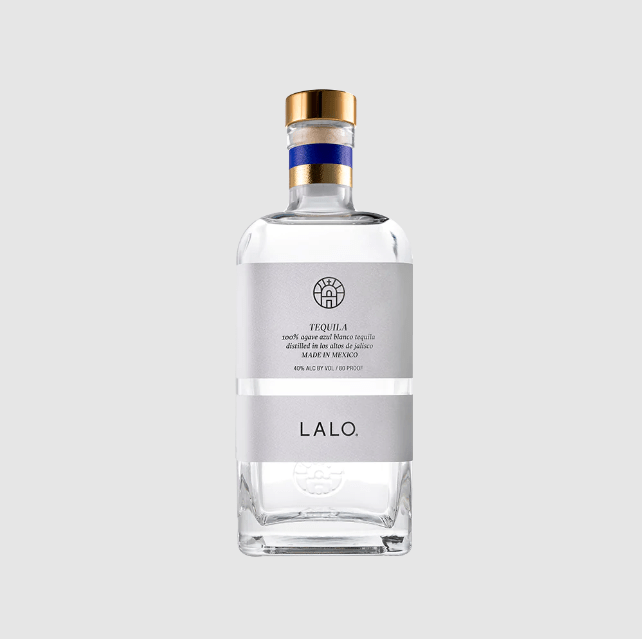
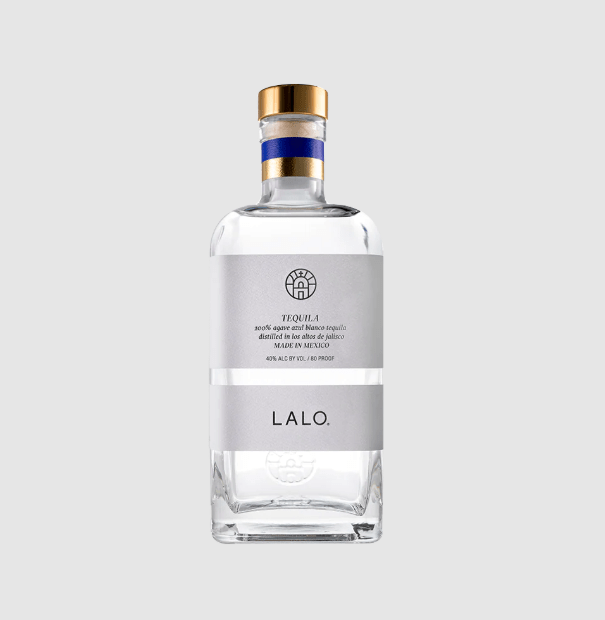
Blanco (Silver or Plata) Tequila. Aging: 0-2 months
Characteristics: Blanco, also know as Silver or Plata, is un-aged and bottled immediately after distillation, Blanco is the essence of pure agave.
Color: Clear, transparent.
Flavor: Being the purest form, it allows for the natural flavors of agave to shine. Bright, fresh agave with citrusy notes, grassy hints, and a touch of peppery spice.
Drink: Blanco is the preferred type of tequila for cocktails and mixed drinks.
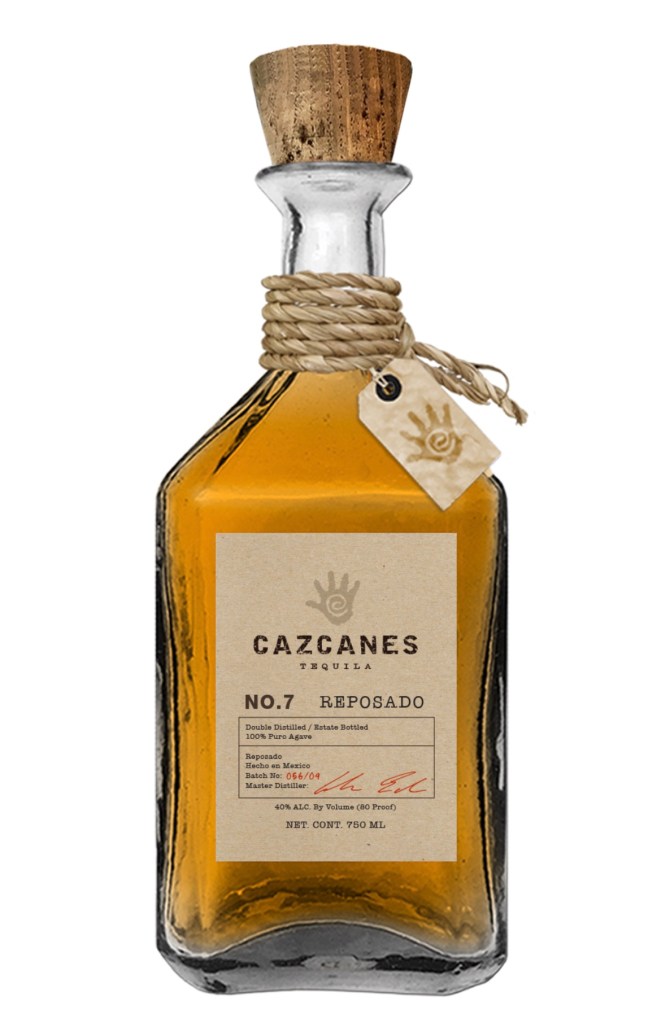
Reposado Tequila. Aging: 2-11 months.
Characteristics: Reposado (“rested” in Spanish) is aged in oak barrels for a minimum than 2 months but less than a year. It’s a more mellow form of Blanco, smoother, with a softened agave profile.
Color: Golden hue.
Flavor: Smoother and slightly sweet, with oaky notes, vanilla, caramel and hint of spice, in particular cinnamon.
Drink: Sip Reposado neat to appreciate its nuanced flavors or use it in cocktails like Old Fashioneds or Tequila Negronis. The oak-infused richness adds depth to mixed drinks.
Añejo Tequila (Aged). Aging: 1-3 years
Characteristics: Añejo is aged in oak barrels for a minimum than 1year to a maximum of 3 years. That results in an even darked color and more complex flavors.
Color: Amber hue.
Flavor: Agave’s expression is less pronounced giving space to prominent toasted oak notes, nuts, spices, dried fruits, rich butterscotch, chocolate. It is rich, complex and buttery smooth.
Drink: Savor Añejo tequila neat in a snifter glass, allowing the aromas to unfold slowly. Its sophisticated flavors also enhance cocktails like Manhattan or Espresso Martinis, adding a sophisticated touch.
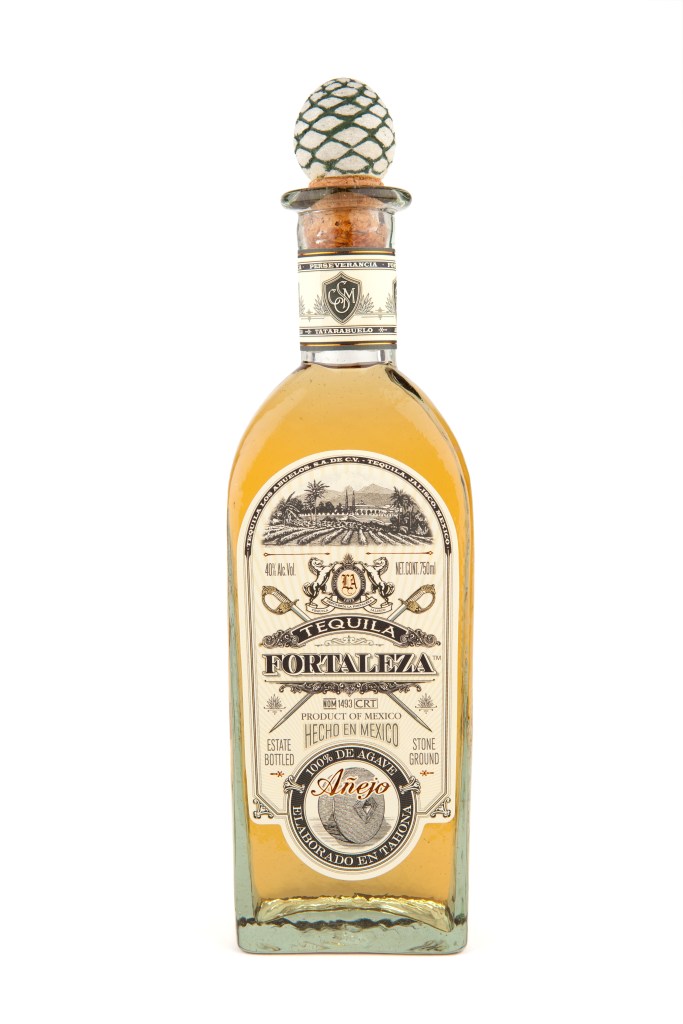
Extra Añejo (Extra Aged) Tequila. Aging: 3 years minimum
Characteristics: The extended aging period (a minimum of 3 years in oak barrels) gives an exceptionally complex and refined flavor profile and elevates it to a category of ultra-premium tequila, offering a luxurious and sophisticated tequila experience.
Color: Deep mahogany/deep amber.
Flavor: The oak takes center stage here. It is intensely lavish with notes of dried fruit, caramel, spice and hints of vanilla, tobacco, and even chocolate. Extra Añejo tequila offers a luxurious and velvety smooth drinking experience.
Drink: Sip Extra Añejo tequila neat, as it is an opulent and refined spirit meant for sipping slowly and appreciating its intricate flavors.
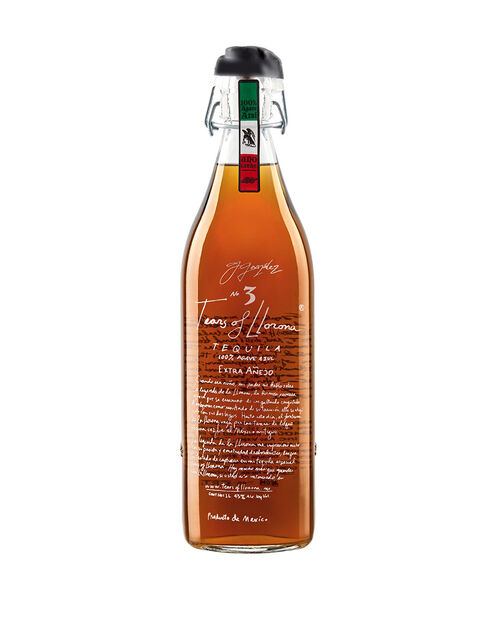
Joven Tequila (Young). Aging: Not Aged
Characteristics: Joven is either tequila Blanco with caramel and/or other CRT-approved additives, or a blend of Blanco and aged tequila (least common).
Color: Golden hue.
Flavor: Fresh agave , citrus, peppery spice taste retained from Blanco and caramel, vanilla and woody notes from the blend or additives.
Drink: Enjoy neat, on the rocks or in cocktails.
If you are interested in tequila, you’ve probably come across other types of tequila such as Cristalino.
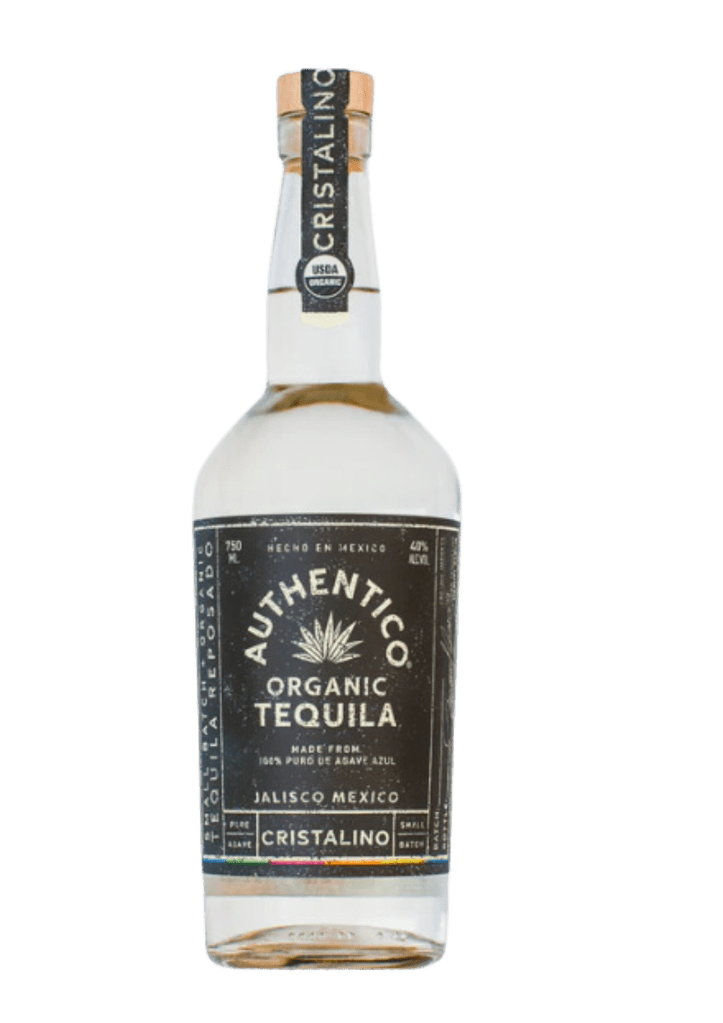
Cristalino tequila is essentially aged tequila that has been filtered (usually through activated charcoal) to remove its natural color. This filtration process eliminates the amber or golden hues picked up from oak barrel aging, while preserving the rich flavors and textures developed during that time.
Critics argue that there are some potential downsides with this technique. In particular the potential loss of flavor from filtration, lack of transparency as some brands don’t disclose the original age of the tequila before filtration and the use of additives to compensate for the lost complexity.
Moreover, some argue that the marketing surrounding Cristalino focuses heavily on its aesthetics and novelty, rather than the actual taste and production process and, in consequence, overinflating the price.
While Cristallino tequila is not currently recognized as an official category by the CRT, as it’s relatively new category.
Recently, some brands have been leaving reposado aging in barrels longer (typically aged in oak barrels over 2 months but less than 12) longer in the barrel or put in barrels two different times (typically aged in oak barrels over 2 months but less than 12). This results in a finished product brands call “Extra Reposado” or “Doble Reposado” or “Reposado Deep”. And if you’ve come across these, you’ll have also noticed that, with the new name, comes a new (heftier) price tag. After all, you’re not buying a regular reposado.
Now, as we have seen there are only 5 officially recognized categories. Thus this is not a new category of tequila but rather a strategy to bridge the market gaps between the existing categories. Give it a try, a see if this could suit you.
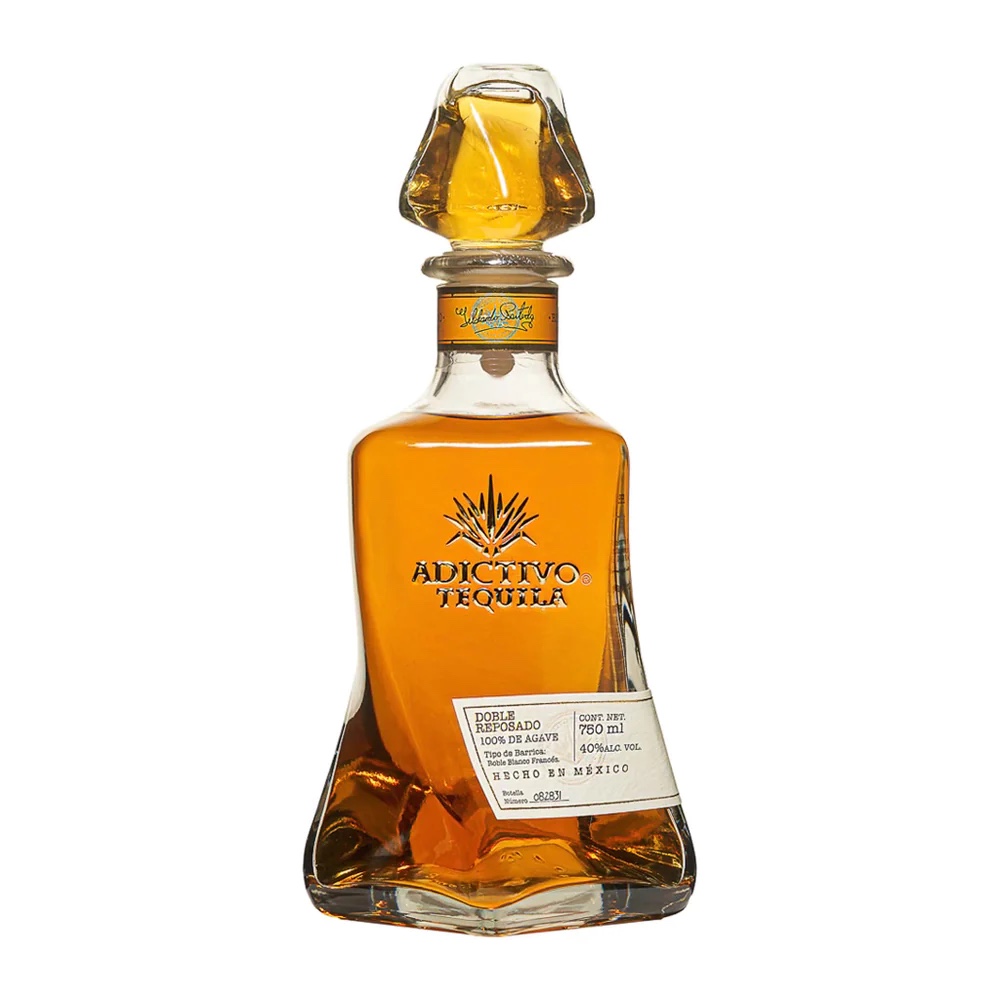
Some recommendations based on what we’ve tried:
– Adictivo Doble Reposado
– El Cristian Extra Reposado
Try, taste, experiment…see which type of tequila suits better your taste.
And remember, always with moderation.
 Agave Passion
Leave a comment