Tequila? Mezcal? In the realm of agave-based spirits, two names stand out: tequila and mezcal. Both are iconic Mexican spirits and while they are made from agave, an important difference sets them apart.
So, what’s the difference?
There are fundamental differences between tequila and mezcal. They range from the agave type, production region, distillation process, ageing process and flavor profile.
Agave: same plant but different types.
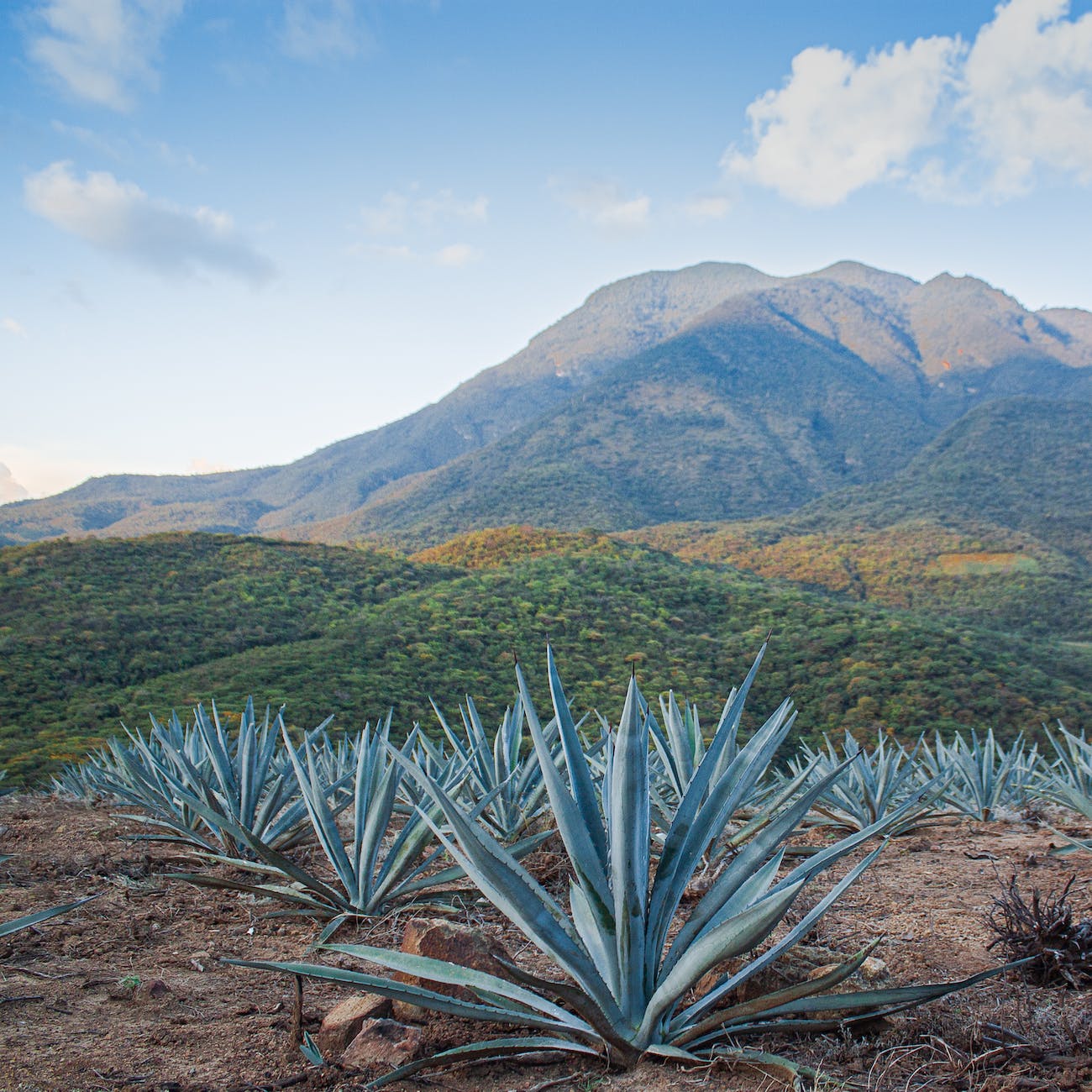
Both tequila and mezcal are made from agave. Still, to qualify as tequila, the liquor must specifically use blue agave (Agave tequilana). In contrast, mezcal can be produced from 30 different agave varieties.
Mezcal refers to any agave-based spirit. Thus, tequila falls under this category. Think of how bourbon and scotch are types of whiskey.
To make it simple, all tequilas are mezcal, but not all mezcals are tequila.
Region of Production: geographical influences.
The production of tequila is restricted to five regions in Mexico: Guanajuato, Michoacán, Nayarit, Tamaulipas, and Jalisco, with Jalisco being the actual town of Tequila. Strict regulatory standards set by the Mexican government must be followed in these regions to safeguard the authenticity and quality of tequila.
Mezcal, on the other hand, can be produced anywhere, but to be recognized as authentic and receive denomination of origin certification from the Consejo Regulador del Mezcal (CRM), it must originate from one of nine specific regions in Mexico: Durango, Guanajuato, Guerrero, Michoacán, Puebla, San Luis Potosí, Tamaulipas, Zacatecas, and Oaxaca, which accounts for over 90% of the total mezcal production.
Different distillation process.
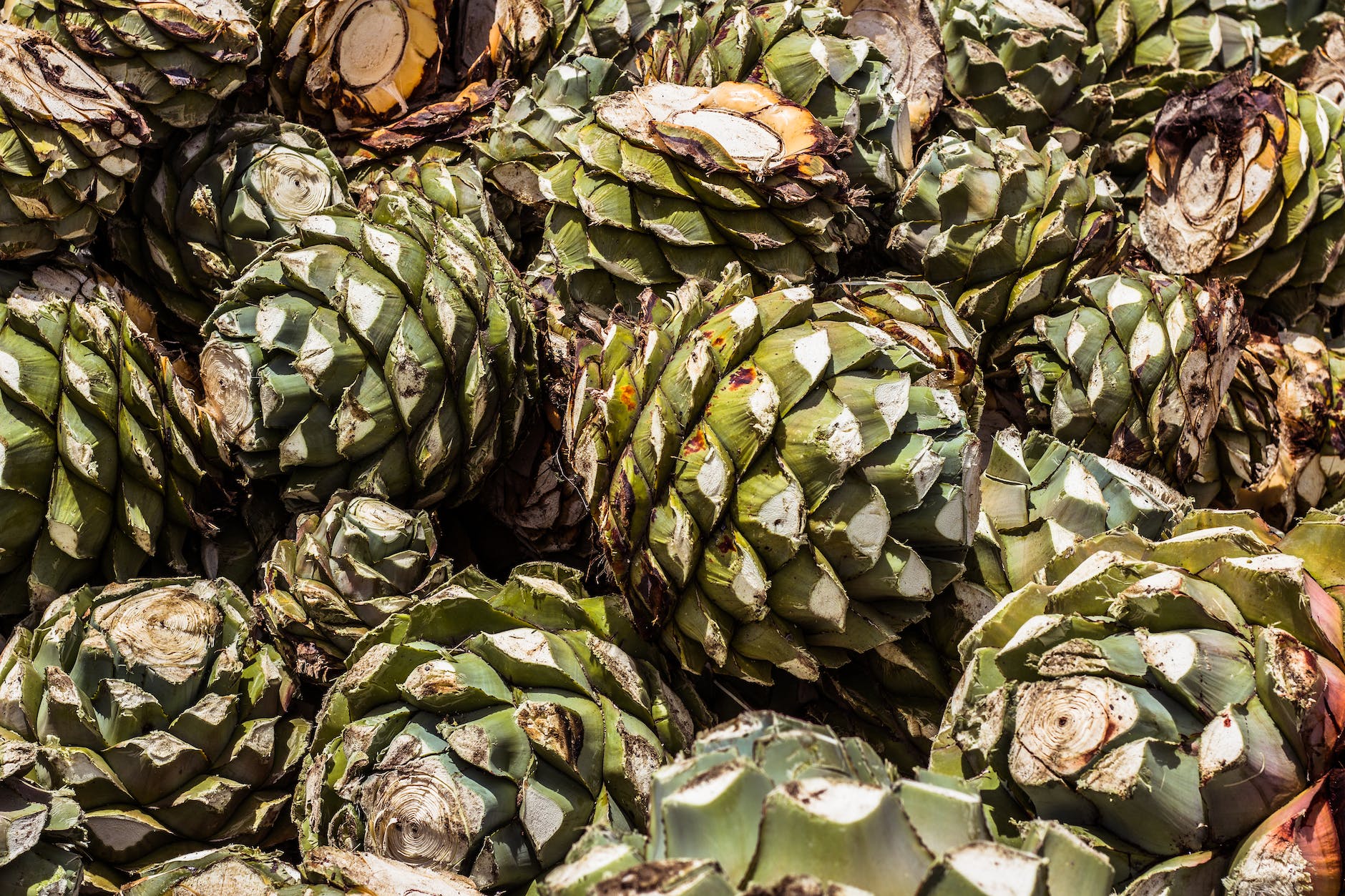
After harvest, the piñas (core of the agave) are cooked to transform the complex carbohydrates into fermentable sugars (click here to learn more about how tequila is made). For tequila, the piñas are cooked in industrial ovens; meanwhile, for mezcal, they are cooked in underground pits. This technique imparts the intense smoky flavor that is distinctive of mezcal.
Regarding the alcohol content, tequila and mezcal are similar, ranging between 38-55% ABV.
Different flavor profiles.
The differences in agave varieties, production techniques, and terroir leads to distinctive flavor profiles for tequila and mezcal.
Tequila is often described as having a crispier, cleaner agave flavor, with a “smoother” taste.
Mezcal is more complex with more earthy, smoky flavors, sometimes with even fruity and floral notes.
The aging process.
Of course, the aging process plays a role in the final taste of the liquor, as both tequila and mezcal can be aged. However, the aging categorization is different for agave and mezcal.
Tequila:
– Blanco or Silver Tequila: 0-2 months
– Reposado Tequila: 2-12 months
– Añejo Tequila: 1-3 years
Mezcal:
– Joven Mezcal: 0-2 months
– Reposado Mezcal: 2-12 months
– Añejo Mezcal: 1 year minimum
Drinking Tequila, Drinking Mezcal.
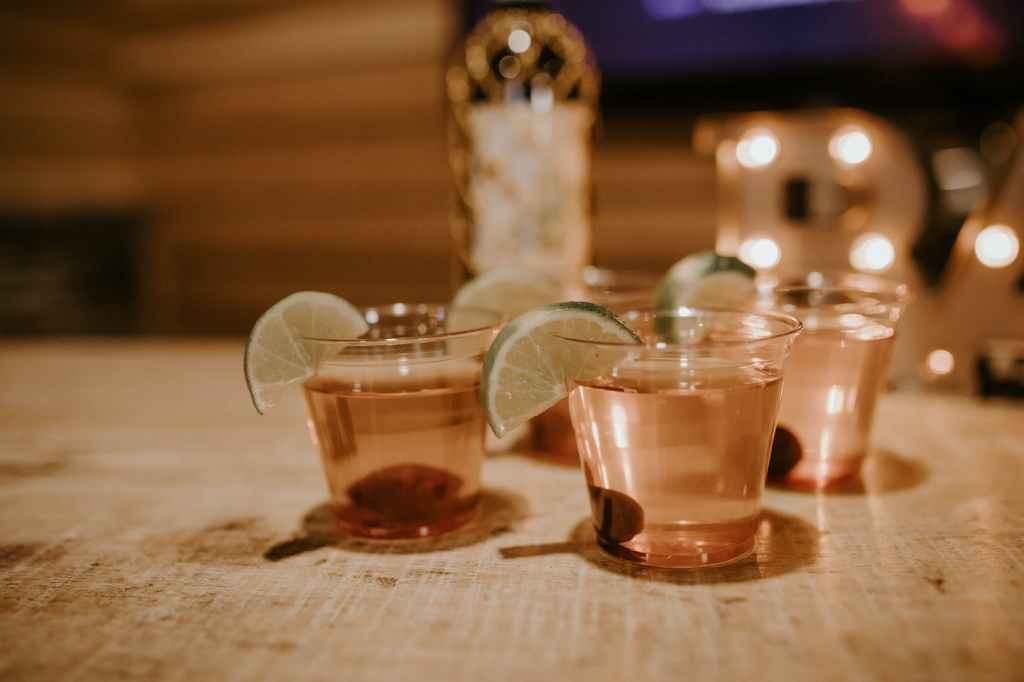
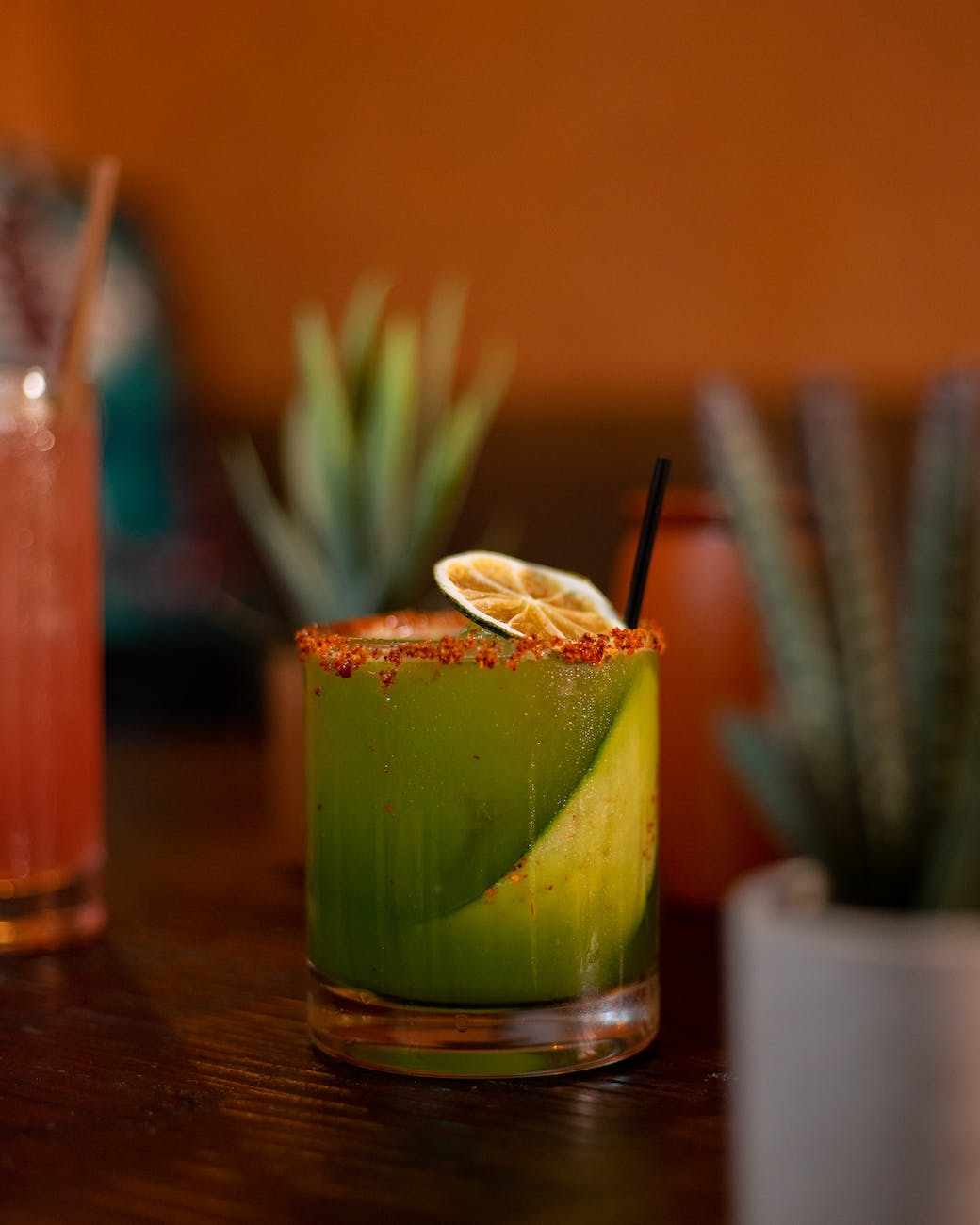
Tequila is famously used in cocktails, but there’s no reason not to sip it neatly over ice. On the other hand, Mezcal is usually served neat without ice to better appreciate its complex taste composition.
Whether you are drinking tequila or mezcal, you are drinking an agave spirit with a Whether you are drinking tequila or mezcal, you are drinking an agave spirit with a rich and long history, resulting in centuries of traditions and craft passed down from one generation to the other (see The History of Tequila).
In the end, it’s all a question of taste. So experiment. Try, taste, see what you like and what you don’t and enjoy the process while doing.
 Agave Passion
Leave a comment