Tequila is make from the extract and fermented juice of the blue agave plant. The production of tequila, from the harvesting of agave to the bottling stage, is a labor-intensive process that has remained largely artisanal in most distilleries. The introduction of new technologies has speed up the process but, nonetheless, the making of tequila remains on long process taking over ten years to produce a single bottle. Here is a step-by-step guide to the tequila making process.
Step 1: Harvesting the Agave
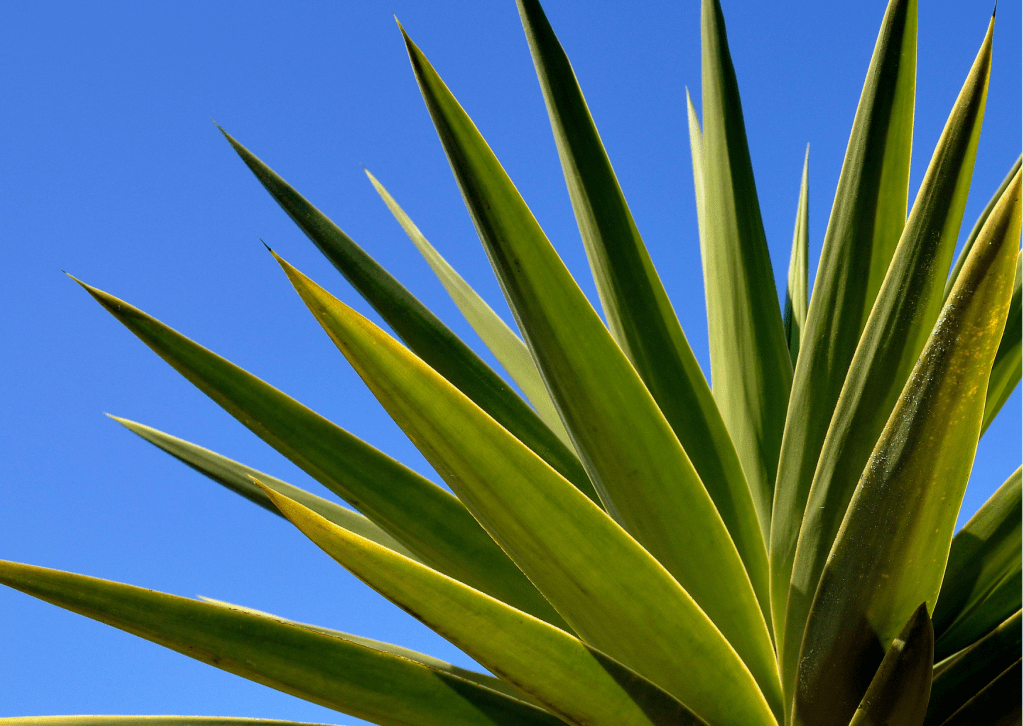
The first step in tequila production is harvesting the agave. The agave plant takes about 8-12 years to mature, and it is harvested when it is fully grown. The agave is cut from the ground with a sharp knife, and the leaves are removed.
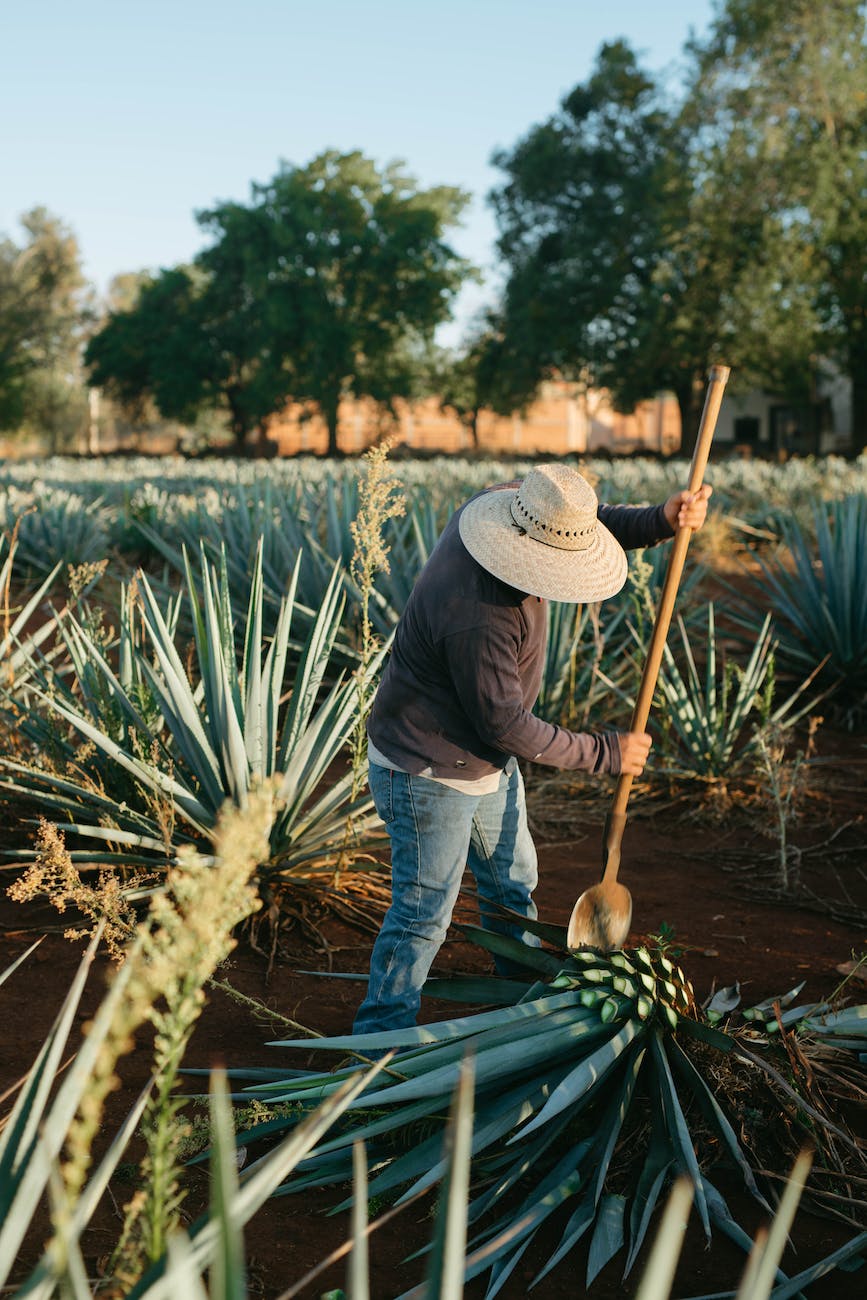
After maturing for approximately seven to ten years, the agave plants are ready for harvest. Expert jimadores, skilled agave farmers, use a coa de jima (a specialized tool) to remove the spiky leaves, revealing the piña, the pineapple-like core of the agave, which holds the sweet and flavorful juice.
Step 2: Cooking the Agave
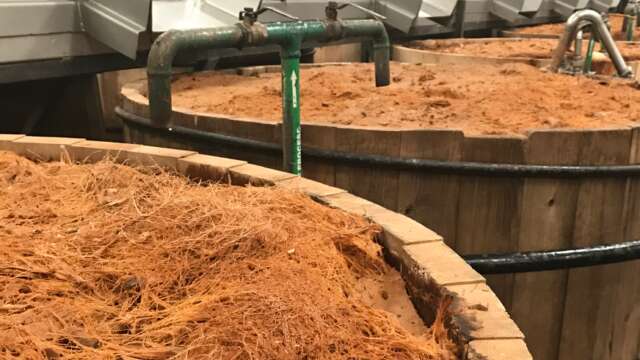
The next step is to cook the agave which is cooked in an oven or autoclave for several hours. This process breaks down the starches (complex carbohydrates) and converts them into fermentable sugars. Traditionally, the piñas were roasted in stone-lined ovens, but modern distilleries employ steam cooking for efficiency. This step is vital, as it sets the foundation for the spirit’s taste profile. The cooking process is also helps to render the piñas softer, facilitating the next step, the extraction.
Step 3: Extraction of Juice
Once the agave is cooked, the piñas are crushed, going through a milling process to extract the juice. In traditional distilleries, a large stone wheel called a tahona crushes the cooked agave, while modern facilities utilize mechanical shredders. The extracted juice, known as aguamiel (honey water), is filtered to remove any impurities and then ready for fermentation.
Step 4: Fermentation
The fourth step is fermentation, a process that takes several days. The aguamiel is transferred to fermentation tanks, where it is left to ferment either using the yeast naturally present on the agave or harvested wild yeast.
This fermentation can take several days, during which the sugars are transformed into alcohol. The duration of fermentation contributes to the final flavors and aromas of the tequila.
Step 5: Distillation
The fermented liquid is then distilled to separate the alcohol from the impurities. Tequila is typically double distilled, although some premium varieties undergo a third distillation. The first distillation called “destrozamiento” takes a couple of hours produces a low-alcohol (around 20%) liquid called “ordinario”. The second, “rectificación” takes a bit longer (3-4 hours) and yields a stronger liquid with an alcohol level of around 55%.
Step 6: Aging
Depending on the desired style, the tequila may be aged in oak barrels. The condition of the barrels will also affect the tequila’s taste (age of the barrels, previous use or work work of the barrel). This process plays an important role in enhancing flavors, aroma and color of the tequila. The longer the process of aging, the more the colorful and flavorful the product will be.
The length of the paging process will determine the type of tequila you will obtain, divided in: blanco, reposado, añejo and extra añejo.
Blanco tequila is bottled immediately after distillation, showcasing the pure agave flavor. Reposado tequila is aged for a minimum of two months, while añejo tequila must rest in barrels for at least one year. Extra añejo tequilas, the most luxurious variety, are aged for a minimum of three years, resulting in unparalleled complexity and depth.
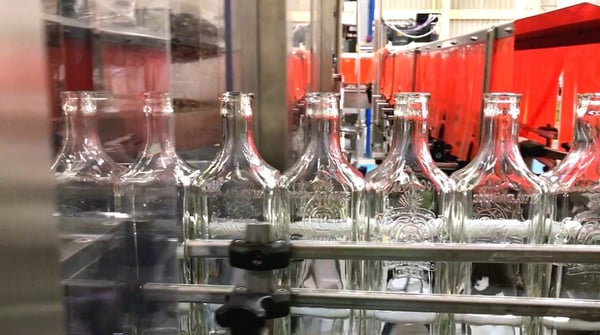
Step 7: Bottling
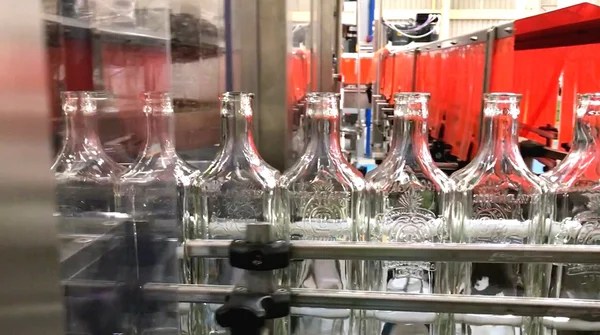
Once the tequila is distilled and aged, the tequila is carefully filtered and diluted to its final bottling strength, typically bottled at 80 proof (40% alcohol by volume).
Each bottle represents the culmination of craftsmanship, tradition, and a lengthy process as it can take more than 10 years to produce a bottle of tequila.
Types of Tequila
Depending on the aging process, there are five types of tequila:
1. Blanco
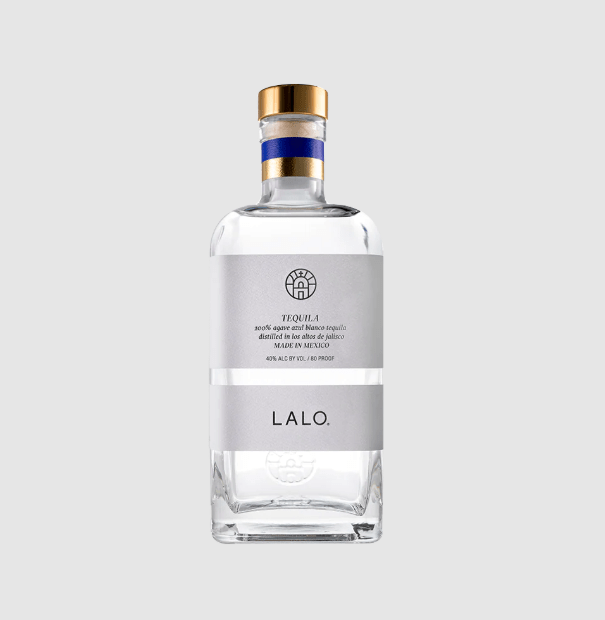
Also know as called “plata”, “silver” or “white” tequila, blanco tequila is unaged and typically bottled shortly after the distillation process. The absence of aging offer clear appearance. Blanco is also the most popular type of tequila used by bartenders in cocktails.
2. Reposado
Reposado means “rested” in Spanish. This type of tequila is aged in barrels for a minimum of two months but less than one year (2 to 11 months).
3. Añejo
Añejo (old in Spanish) is aged in oak barrels for at least a year but less than three. The extended aging period allows the tequila to develop richer flavors such as vanilla, brown sugar, caramel and spices.
4. Joven (Gold)
Joven is a blend of Blanco and Reposado tequila. This results in a golden or amber color, but it may not necessarily indicate extended aging.
5. Extra Añejo
This tequila is aged for a minimum of three years. It was introduced in 2006 and since then has become increasingly appreciated.
More recently, a new classification of tequila has entered the market, Cristalino. This is aged tequila filtered through charcoal to remove impurities. This process strips the ‘aged’ color of the tequila while keeping the flavors imparted during the aging process.

REMEMBER
It’s worth noting that the Tequila Regulatory Council (CRT) in Mexico establishes the regulations for the production and classification of tequila. To be labeled as one of the above types, tequila must meet specific aging criteria set by the CRT. Additionally, the CRT grants the tequila a Denomination of Origin, ensuring it is produced in certain regions of Mexico to uphold its authenticity and quality.
In order to classify as tequila, the spirit has: to be produced from blue agave or Agave Tequilana called “Weber Azul”.
It also MUST come from the five authorized regions to produce tequila in Mexico: Guanajuato, Jalisco, Michoacan, Nayarit, or Tamaulipas. Anything produced outside of these five states will qualify as Mezcal or Agave Spirit.
Tequila-making process is a lengthy one, carrying centuries of craftsmanship and innovations (even recent ones). From the patient cultivation of the agave plant to the skilled distillation and aging processes, every step contributes to the spirit’s distinctive character. So, the next time you savor a glass of tequila, appreciate the work and time it might have taken to produce your most beloved tequila.
 Agave Passion
Leave a comment