

If you are of drinking age, whether you are a fan of tequila or not, you’ve probably tried it at least once in your life. But while you are downing shots, or sipping a cocktail, have you ever wondered about the history if tequila? You’d be surprised to know that the nectar born from the heart of Mexico has a long and rich history stretching back through centuries of culture, tradition and craftsmanship.
So, what’s the history behind one of the most popular liquors in the world?

The history of tequila dates back to at least 1000 BC.
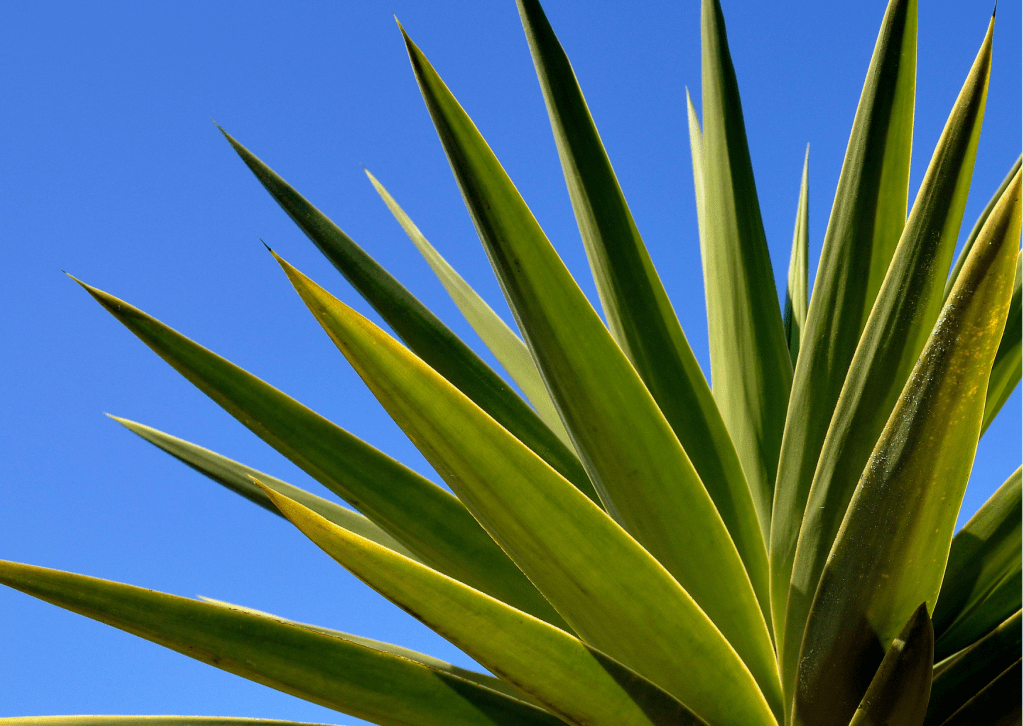
Tequila didn’t start out as the tequila we know today. It all started with the blue agave plant, which is still the base of modern tequila. Millennials back, the early Mesoamerican populations recognized the fermentation properties of agave and produced an alcoholic beverage called pulque. Already consumed by the Omlecs, the tradition continued with the Azects, who prized pulque so much, it played a role in their religious practices. There are even pictograms on stone walls dating around 200 A.D. documenting the drink.
Spanish Conquistadors and the distilling of agave.
The next milestone in the history of tequila took place in the 1500s with the arrival of Spanish conquistadors who brought with them the knowledge of distillation. As the reserves of brandy they had brought with them started running low, the newly arrived looked for an alternative to quench their thirst. However, grapes were unavailable in Mexico. Luckily for them, agave was abundant and already in use for alcohol making. They experimented with agave and mud, producing what we know today as mezcal (all tequilas are mezcal but not all mezcals are tequila, see the difference here). A new spirit was born.
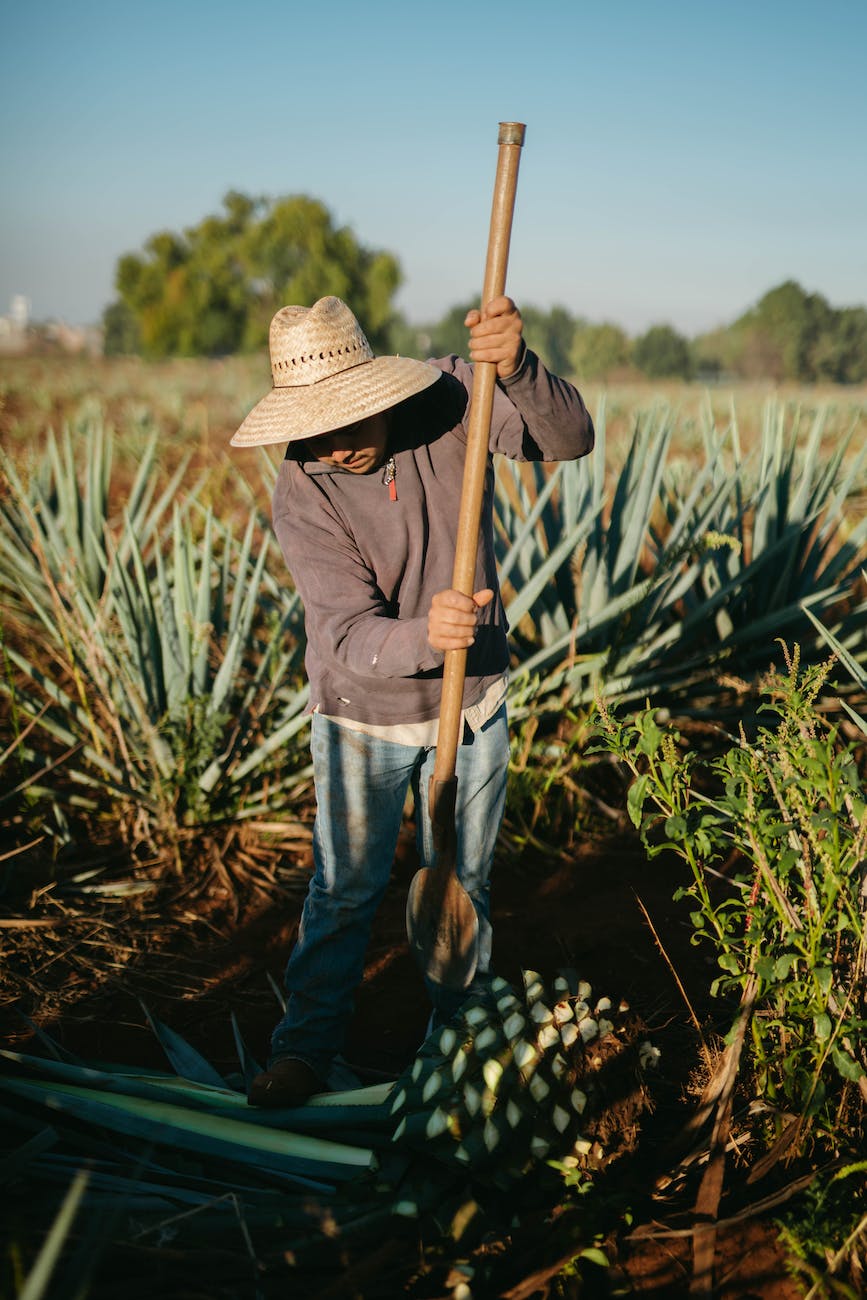
A city to remember: Tequila, Jalisco.
In 1595, the king of Spain banned the production of wine in Mexico, fearing it would damage the exportation of Spanish products to the New World. The Marquis of Altamira saw an opportunity with the overlooked blue agave plant and built the first large-scale distillery in his Hacienda Cuisillos in the town of Tequila, Jalisco (where most tequila is still produced today). Thus, tequila was born, and the Marquis of Altamira is known today as the “Father of Tequila”.
In the early days, tequila production was a modest and local affair. Artisanal distilleries, or mezcalerías, began popping up around the town of Tequila.
Do the names Cuervo and Sauza sound familiar? They should, considering they are some of the most popular brands on the market. It was around the time that these families established their distilleries. The Cuervo family started commercially distilling tequila in 1758 and was later followed in 1873 by the Sauza family.
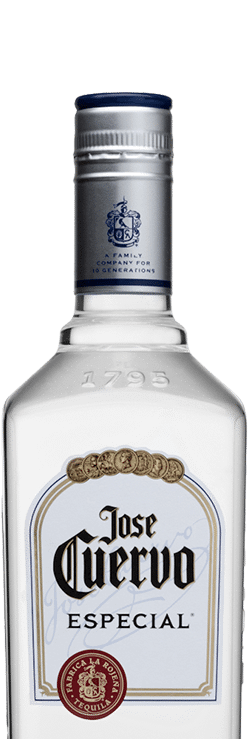
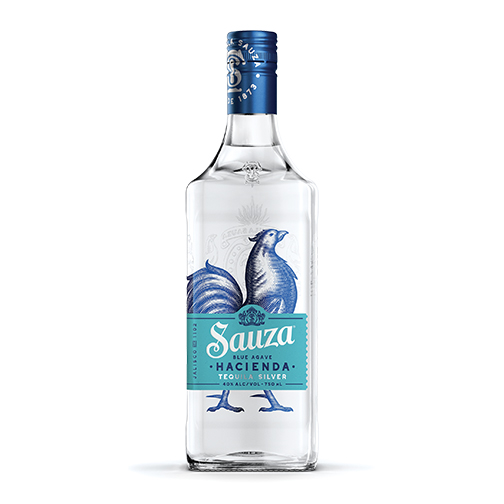
According to some, it was Don Cenobio Sauza to have identified blue agave as best for tequila making. This marks the birth of tequila as we know it, and, to this day, in order to classify it as tequila, it must be specifically made with blue agave.
Tequila production continued growing, becoming more popular in the U.S. during Prohibition.
Prohibition Era and Tequila
Being unable to find their beloved whiskey and tired of bathtub gins, drinkers turned to Mexico’s agave nectar and the many bars Tijuana offered.
By 1936, Prohibition had ended, and that year, the first tequila distillery in the U.S. opened in Nogales, Arizona.
Tequila’s popularity kept growing, and by the 1960s, tequila became a popular drink in the United States, and it has only continued to grow in popularity in recent years.
In 1974, to protect its prized production, the Mexican government declared “tequila” intellectual property. This makes it illegal for other countries to produce and sell their own tequila and require the spirit to be produced only in some regions of Mexico.
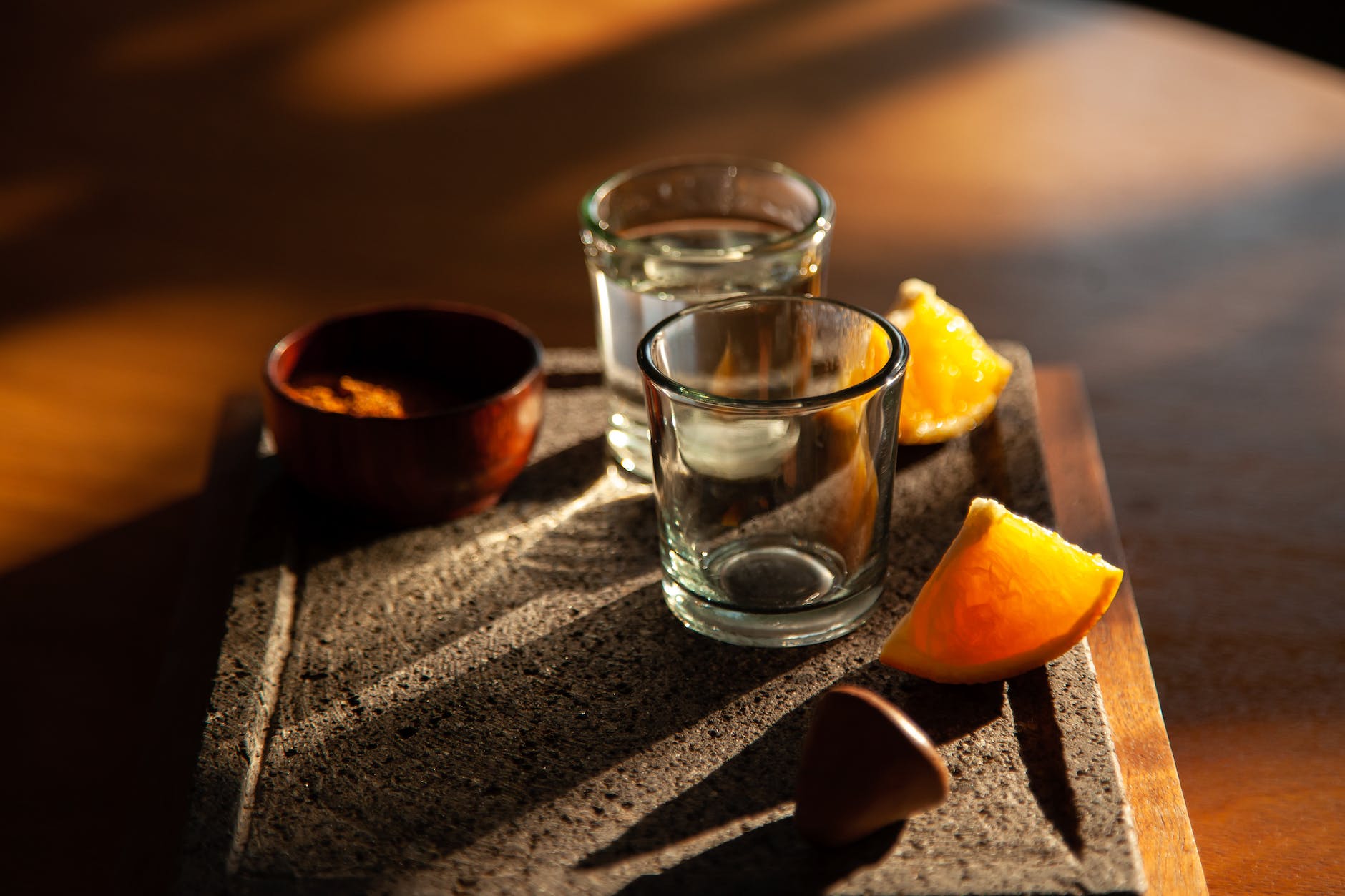
Tequila is today one of the most popular drinks and in the past years, its popularity has grown even more. No bar would be complete without a selection of tequila, and no cocktail menu would be whole without Margaritas, Tequila Sunrise or Palomas.
From the fermented pulque and Spanish invasions to the now-adored tequila, tequila has quite a fascinating history. So next time you order a cocktail or a round of shots, take a second to appreciate that what you are drinking spans over millennials rich in wars, conquests and at the heart of everything: blue agave.
 Agave Passion
Leave a comment